Television is changing faster now than at any point in decades, and the IPTV trends of 2026 tell the story clearly. Streaming has gone from a curiosity to the default, picture quality keeps climbing, and the way we choose what to watch is being quietly reshaped by smarter software. If you want to understand where home viewing is heading, the signals are already here.
I have watched this space evolve year on year, and 2026 feels like a turning point. This guide breaks down the biggest IPTV trends shaping the year, what is driving them, and what they mean for the way you actually watch at home.
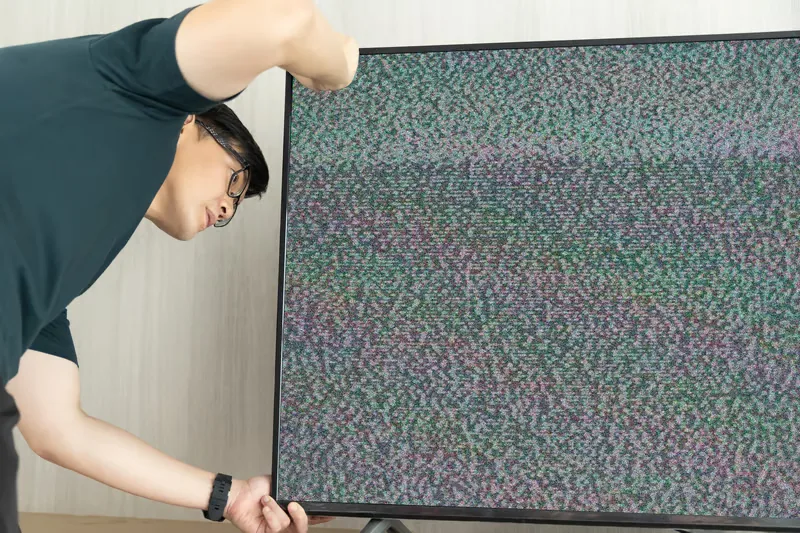
Quick Answer: The leading IPTV trends in 2026 are the shift to 4K and HDR as standard, multi-screen viewing across the household, the blending of live TV with huge on-demand libraries, smarter recommendations powered by software, and a steady move away from traditional contracts. Together they make watching more flexible, sharper, and cheaper than ever.
4K and HDR becoming standard
The first of the big IPTV trends is quality. What was a premium extra a few years ago is now expected. As 4K televisions have become affordable and broadband has grown faster, services have responded by offering sharper streams as the norm rather than the exception.

HDR is riding alongside it, adding richer colour and deeper contrast that often makes a bigger visual difference than resolution alone. The UK regulator tracks how viewing habits shift each year, and its findings are published in the Media Nations report. The direction is unmistakable: viewers expect more from the picture every year.
Multi-screen households
Another of the defining IPTV trends is that watching is no longer a single-screen, single-room activity. In the same home, one person streams sport on the big television while another watches a film on a tablet in bed.
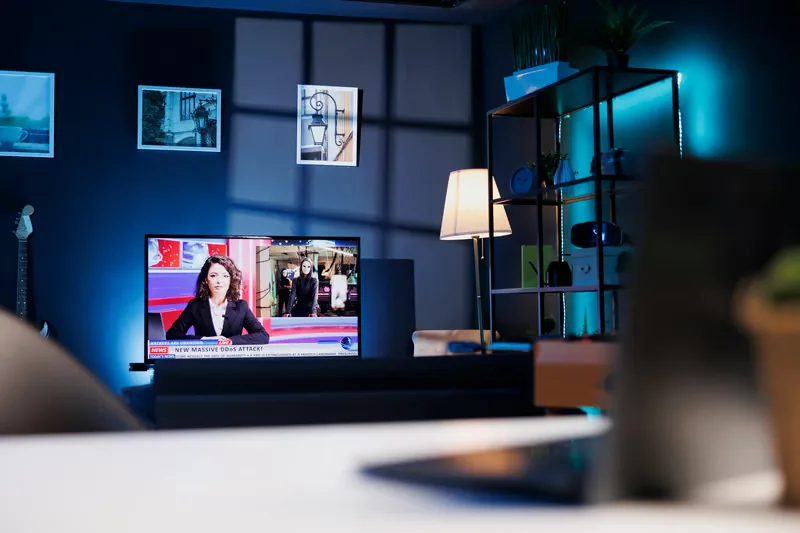
Services have adapted by allowing several connections on one plan, which suits busy households perfectly. It also reflects a wider shift: people want to watch on their own terms, on whatever screen is nearest, rather than gathering around one set at a fixed time.
- Multiple streams from a single subscription
- Seamless switching between TV, tablet, and phone
- Personal viewing that fits around everyone’s schedule
IPTV trends merging live and on-demand
One of the most useful IPTV trends is the blurring of the line between live television and on-demand libraries. Services increasingly bundle both, so a single app carries the match tonight and the box set you start afterwards.
This matters because it removes the old friction of jumping between separate apps and subscriptions. The convenience of having everything in one place is a big part of why so many people are making the switch, and providers know it.
Smarter recommendations
Software is doing more of the choosing, and that is among the quieter but more interesting IPTV trends. Modern services learn what you watch and surface things you are likely to enjoy, cutting down the endless scrolling.
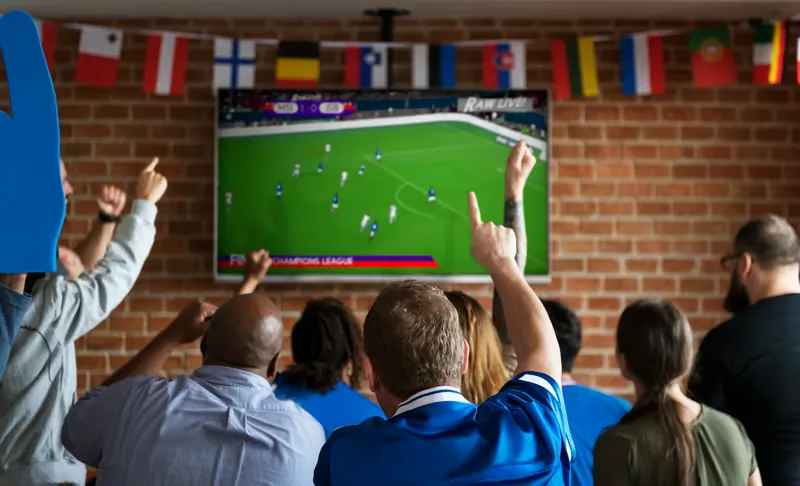
Done well, this feels helpful rather than intrusive: the channels and shows you care about rise to the top, and discovery becomes easier. It is a small change in isolation, but across millions of viewing hours it reshapes how people find what to watch.
IPTV trends ending traditional contracts
Perhaps the most consequential of the IPTV trends is financial. Households are walking away from long, expensive contracts in favour of flexible monthly plans that cost a fraction as much.
| Old model | The 2026 trend |
|---|---|
| Long fixed contracts | Rolling monthly plans |
| Bills often above £80 | Around £10 to £15 a month |
| One room, one box | Any screen, anywhere |
| Yearly price rises | Steady, predictable pricing |
This shift hands power back to the viewer. When switching is easy and cheap, providers have to keep earning your custom, which pushes quality up across the board. It is the trend that underpins all the others.
What is driving these IPTV trends
It is worth pausing on why all this is happening at once. None of these IPTV trends appeared by accident; they are the result of a few forces lining up at the same time.
Faster, cheaper broadband is the foundation, because none of it works without a connection that can carry high-quality video. Affordable 4K screens gave people a reason to want sharper streams, and competition between services pushed prices down while pushing features up. Layer in software that keeps getting smarter, and you have the perfect conditions for rapid change. Understanding these drivers helps explain why the IPTV trends of 2026 feel less like fads and more like a permanent shift in how television works.
- Faster home broadband carrying high-quality streams
- Affordable 4K and HDR televisions in most homes
- Strong competition driving prices down and features up
- Smarter software making content easier to find
Are these IPTV trends only for tech enthusiasts?
Not at all. The whole point of these IPTV trends is that they make watching simpler for everyone. Sharper pictures, one app for everything, and flexible plans are mainstream conveniences now, not niche features for early adopters.
Will live TV disappear because of these trends?
Unlikely. If anything, the IPTV trends point to live and on-demand living happily side by side. Big events, news, and sport keep live television relevant, while on-demand fills the gaps. The two complement each other rather than compete.
How do I make the most of these trends today?
Start with a service that already embraces them, then match it to good hardware. Our guide to the best devices for IPTV helps with the screen side, and our guide to IPTV 4K explains how to get the sharpest picture from these trends.
Where IPTV trends are taking home viewing
Taken together, the IPTV trends of 2026 point in one clear direction: viewing that is sharper, more flexible, and far better value than the old way. Quality is rising, screens are multiplying, and contracts are loosening. For anyone watching at home, that is a genuinely good place to be, and it is only set to improve from here.
Looking a little further ahead, these IPTV trends seem set to deepen rather than reverse. As broadband keeps improving and screens keep getting better, the gap between what live television and on-demand can deliver will narrow even more. The household that once gathered around a single set at a fixed hour is becoming the exception, replaced by everyone watching what they want, when they want, on whatever screen is closest. That is not a small adjustment; it is a genuine rethinking of what television is for. The services that understand this and build around flexibility, quality, and fair pricing are the ones that will define the next few years.
For viewers, the practical takeaway is simple. You no longer have to accept a rigid, expensive package just to watch the things you love. The IPTV trends of 2026 have handed the choice back to you, and the smartest move is to take advantage of that flexibility rather than stick with an old setup out of habit. Try a service, see how these shifts feel in your own living room, and judge for yourself how far things have come.
Want to experience these trends for yourself?
Start Your Free Trial