Search for a way to get internet television onto an older set and you will quickly run into the phrase “HDMI to IPTV converter”. It sounds technical, but the idea is simple: a small device that takes an IPTV stream and feeds it into your TV through the HDMI port. If your television is not smart, or its built-in apps have become sluggish over the years, this is very often the cheapest and quickest fix you can make.
I have set up plenty of these for older screens over the years, and the results are almost always excellent for very little money indeed. This guide explains what an HDMI to IPTV converter actually does, the types available, how to choose one, and how to get it running in minutes.
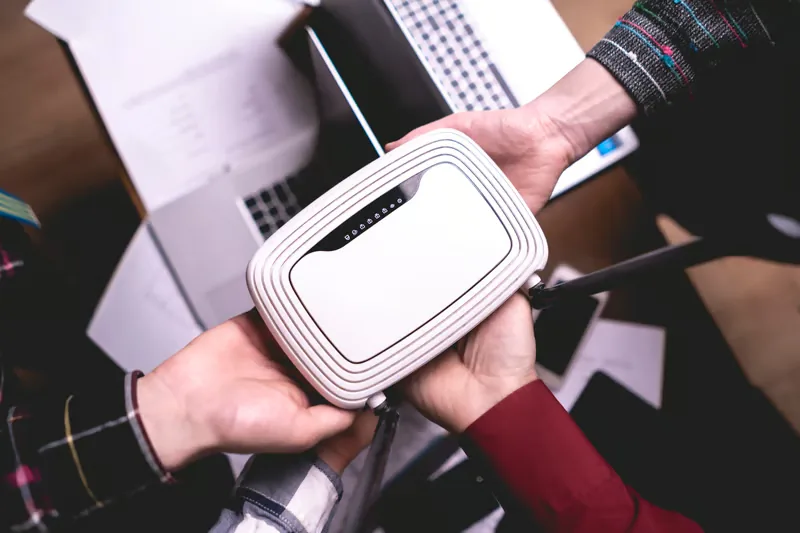
Quick Answer: An HDMI to IPTV converter is a small box or stick that turns any TV with an HDMI port into a smart streaming device. It runs a player app, connects to the internet, and outputs the picture through HDMI. Prices start around £20 to £40, and setup takes just a few minutes on almost any television.
What an HDMI to IPTV converter does
The name makes it sound complicated, but an HDMI to IPTV converter is really just a tiny computer. It connects to your internet, runs a player app to receive the stream, and sends the finished picture into your TV through the HDMI port.
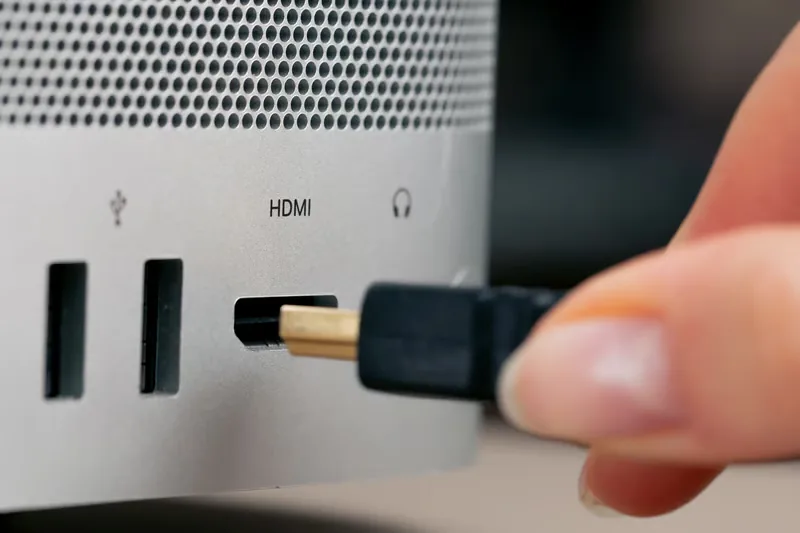
In other words, it adds smarts to a screen that has none. Think of it as the same idea as a streaming box, sometimes described as a set-top box. The TV simply becomes the display, while the HDMI to IPTV converter quietly does all of the clever work behind the scenes, exactly as a modern smart television would.
The main types of HDMI to IPTV converter
There are a few forms an HDMI to IPTV converter can take, and each suits a slightly different need. Knowing the differences helps you avoid overpaying.
- Streaming sticks that plug straight into the HDMI port, tidy and cheap
- Streaming boxes that sit on a shelf with more power and an Ethernet port
- Mini PC dongles that run a full operating system for flexibility
For most people, a stick or box is the natural HDMI to IPTV converter choice. Sticks vanish behind the TV, while boxes add a wired connection that helps a great deal with live sport.
How to choose the right HDMI to IPTV converter
Picking a good HDMI to IPTV converter comes down to a handful of specs. Get these right and the device will last for years.
| Feature | Why it matters |
|---|---|
| 4K support | Future-proofs the device for modern TVs |
| At least 2GB RAM | Keeps the player app smooth and stable |
| Ethernet port | Rock-solid streaming for live events |
| A trusted app store | Lets you install the player you want |
A device that ticks those boxes handles everything most viewers need. Our guide to the best devices for IPTV goes deeper if you want specific comparisons.
Setting up an HDMI to IPTV converter
Installation is genuinely quick. These steps work for almost any HDMI to IPTV converter, whether stick or box.
- Plug it into HDMIConnect the converter to a free HDMI port and switch the TV to that input.
- Connect to the internetJoin your Wi-Fi or plug in an Ethernet cable for the steadiest connection.
- Install the player appOpen the device’s app store, find a compatible IPTV player, and install it.
- Enter your detailsType in your login or playlist link, let the channels load, and start watching.
Why a converter beats buying a new TV
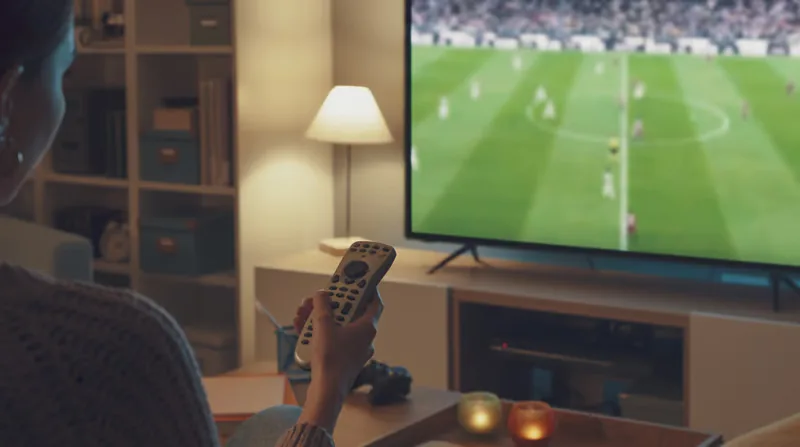
When an older television starts to feel slow, the temptation is to replace the whole set. An HDMI to IPTV converter is the smarter first move, because it solves the actual problem for a fraction of the cost.
A perfectly good screen rarely needs replacing just because its software has aged. The picture is still fine; it is the smarts that have fallen behind. Adding a small converter refreshes exactly that part, giving you modern apps and smooth streaming without spending hundreds on a new panel. It is also far kinder to the environment to keep a working TV in service. For most homes, a twenty-pound device does what a new television would, which is why it remains such a popular upgrade.
- Far cheaper than replacing a working television
- Adds modern apps and streaming to an old screen
- Easy to move to another TV later if you wish
Fixing common HDMI to IPTV converter issues
Most problems with an HDMI to IPTV converter have quick fixes. Run through these before worrying about the hardware.
- No picture: check the TV is on the correct HDMI input
- Buffering: switch to a wired connection or move closer to the router
- App crashes: restart the device to clear its memory
- No 4K: confirm both the converter and the HDMI port support it
Do I need an HDMI to IPTV converter if I have a Smart TV?
Often no. If your Smart TV runs the player app you want and still feels quick, you can skip the converter entirely. An HDMI to IPTV converter earns its place when the TV is older, slow, or missing the right app.
Will a cheap converter still play 4K?
Some do, but not always smoothly. A very cheap HDMI to IPTV converter may list 4K yet stutter because the chip is too weak. Spending a little more on a mid-range model usually buys reliable, judder-free playback.
Is an HDMI to IPTV converter hard to use?
Not at all. If you can install an app and type in a login, you can run one. The whole point of an HDMI to IPTV converter is to make a non-smart TV simple to use, and our setup guide walks through every step.
Getting the most from an HDMI to IPTV converter
An HDMI to IPTV converter is the cheapest, simplest way to bring internet television to almost any screen. Pick one with 4K support and enough memory, plug it into HDMI, add your details, and an old TV feels brand new. For the money involved, few home upgrades deliver anywhere near as much value as this one.
One question that often comes up is how long an HDMI to IPTV converter will stay useful. The good news is that these devices age slowly, because the demands of streaming change gradually. A converter that handles 4K today will keep doing so for years, and even when apps grow heavier, a quick restart or a cheap replacement keeps things smooth. Compared with the cost and hassle of swapping a whole television, that is a tiny investment. The other quiet advantage is portability: when you move house or redo a room, you simply unplug the converter and take it with you, plugging it into whatever screen is there. Few upgrades are this flexible, this cheap, and this easy to live with day to day.
For the basics of getting a signal onto your screen, our guide to HDMI IPTV connections covers cables, ports, and common handshake problems.
Converter ready? All you need now is a service
Start Your Free Trial