Every few months the TV bill creeps up again, and you start wondering whether there is a cheaper way to watch the same channels. That question almost always comes down to one choice: IPTV vs cable. I have used both for years, and the gap between them in 2026 is wider than most people expect.
This guide breaks down IPTV vs cable on the things that actually matter, which are cost, channels, contracts, and convenience, so you can see which one fits your living room and your budget.
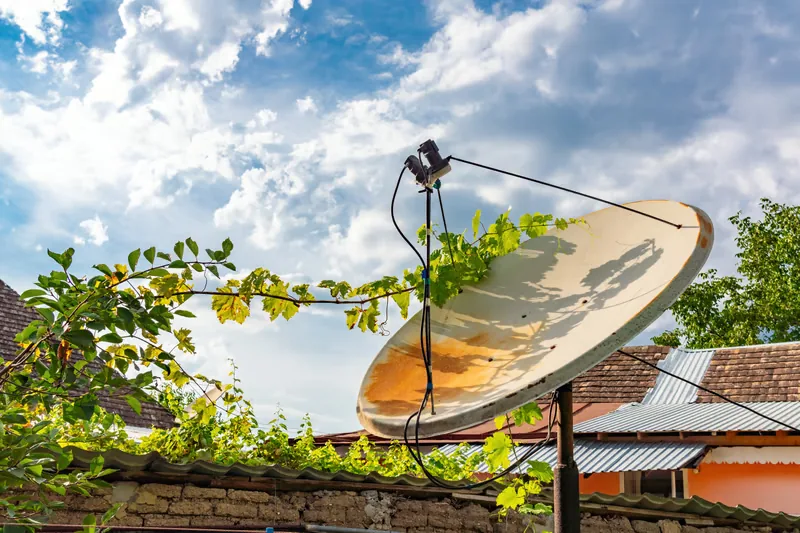
Quick Answer: In the IPTV vs cable debate, IPTV usually wins on price and flexibility. A typical IPTV plan costs around £9 to £14 a month with no contract and works on devices you already own, while cable runs £40 to £70 a month on a 24-month deal. Cable still edges ahead on guaranteed local reliability, but for most UK households IPTV delivers the same channels for a fraction of the cost.
IPTV vs cable: the cost comparison
Cost is the reason most people start comparing IPTV vs cable in the first place, so let us start there. The difference is not small.
| What you pay for | Cable / satellite | IPTV |
|---|---|---|
| Typical monthly cost | £40 to £70+ | £9 to £14 |
| Contract length | Usually 24 months | Often rolling |
| Equipment | Dish or box, install fee | Device you own |
| Annual cost (rough) | £600 to £840+ | £108 to £168 |
| Sport and add-ons | Paid extras | Usually bundled |
Over a year, that gap adds up to hundreds of pounds. A mid-tier cable package with sport can pass £780 a year, while a solid IPTV plan lands nearer £144. UK regulator Ofcom has tracked steady pay-TV price rises across the market for years. When you put IPTV vs cable side by side on cost alone, it is not really a contest.
Channels and content
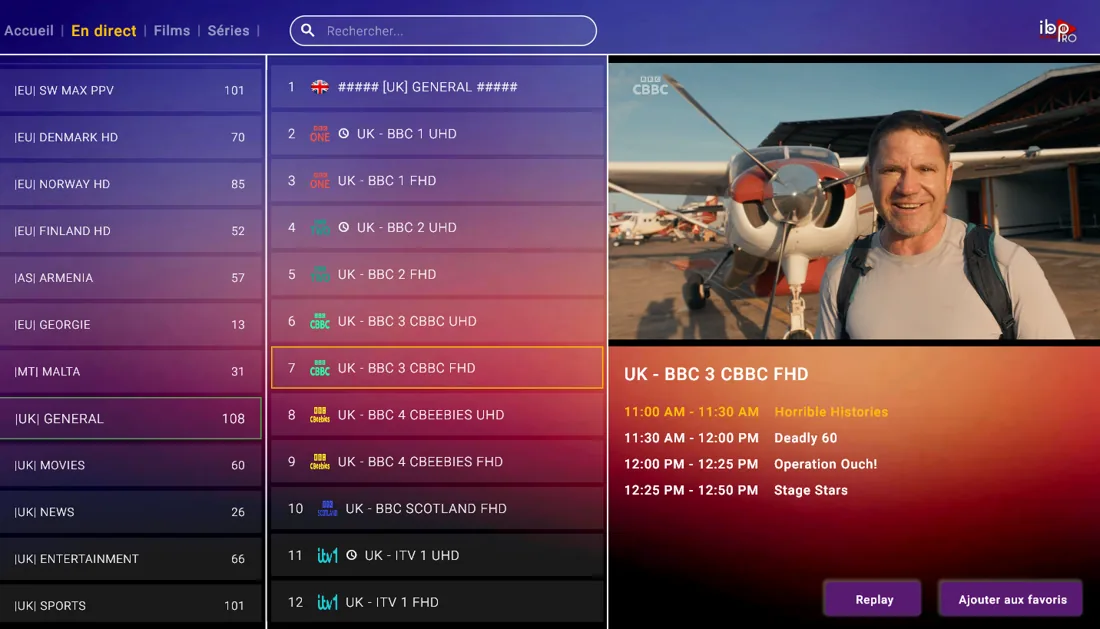
Price means nothing if the channels are not there, so this is where the IPTV vs cable question gets interesting. Cable gives you a fixed package, with tiers you climb (and pay more for) to unlock sport or cinema.
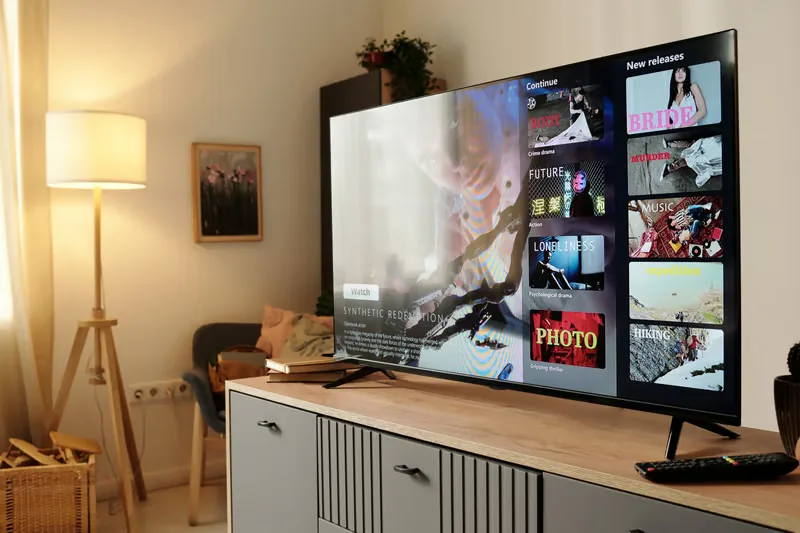
IPTV flips that around. A good service bundles UK channels, international ones, live sport, and a deep on-demand library into a single app, usually without separate add-on fees. You get the BBC and ITV channels sitting next to films, box sets, and sport, all in one place rather than scattered across tiers.
- Cable: fixed tiers, pay more to unlock sport and cinema
- IPTV: live channels, sport, and on-demand bundled together
- Both: cover the main UK channels you watch every day
Contracts and flexibility
Here is where IPTV vs cable stops being about money and starts being about freedom. Cable almost always ties you to a 24-month contract. If your circumstances change, you are still paying, and the headline price you signed up for often rises partway through.
IPTV plans are usually rolling or short-term. You can pay monthly, pause when you travel, or switch plans without a penalty. For a household that does not want to be locked in, that flexibility is the deciding factor on its own.
Setup and equipment
The last piece of the IPTV vs cable puzzle is what it takes to actually get watching. This is where the two could not be more different.
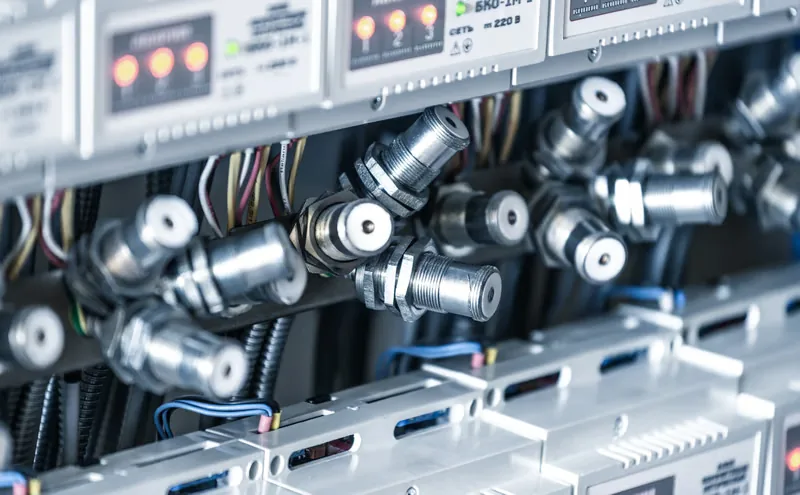
Cable and satellite need a dish or a wired box, often an engineer visit, and sometimes an install fee. That hardware sits on your wall for years, whether you still want it or not.
IPTV needs none of that. You install an app on a device you already own, enter your login, and start watching in minutes. If you want a walkthrough, our IPTV setup guide covers every device step by step.
- Cable: dish or box, possible engineer visit and install fee
- IPTV: an app on your Firestick, Smart TV, phone, or laptop
Does cable still beat IPTV at anything?
To be fair to cable, yes, on one point. A wired cable or satellite feed does not depend on your home internet, so it can be more consistent if your broadband is weak. IPTV runs over your connection, so a poor router or slow line will show. Sort your internet out first, and that advantage mostly disappears.
Is IPTV cheaper than cable in the long run?
Comfortably. Because IPTV avoids the contract, the hardware, and the per-tier add-on fees, the yearly saving runs into the hundreds and repeats every year. The longer you compare IPTV vs cable over time, the bigger that gap becomes, especially as cable prices rise almost annually.
Which one is right for your household?
It comes down to how you watch. If you mostly want live UK telly, sport, and films without a big monthly outlay, IPTV covers all of it for less. If you have patchy broadband and refuse to touch your router, a wired cable feed buys you peace of mind at a premium. Most homes fall into the first group, which is why so many are making the switch in 2026.
It is also worth thinking about the whole household, not just one viewer. A single IPTV plan can run on several screens at once depending on the plan, so the football is on in the living room while someone streams a box set upstairs. Cable ties that experience to fixed boxes and extra receiver fees, which is another quiet cost that adds up over a year.
IPTV vs cable: the verdict
So where does the IPTV vs cable comparison land? For the vast majority of UK viewers in 2026, IPTV is the smarter pick. It costs a fraction of cable, bundles the channels and sport you actually watch, and frees you from long contracts and bulky hardware.
Cable still suits people who want a wired feed and do not mind paying a premium for it. Everyone else keeps the channels and pockets the difference.
One last thing worth weighing is how each option handles change. Streaming habits move fast, and an app-based service updates its channel list and features automatically, while a cable box is whatever the provider installed years ago. That means the cheaper option is also the one more likely to keep up with how you actually watch over the next few years.
Once you have decided, see our full walkthrough on how to stop paying for cable to make the switch without losing anything you watch.
Based in the States? Our plain-English guide to IPTV America covers the channels, real costs, and setup for US viewers.
For the cable side of that comparison at entry level, see what basic cable really costs once the surcharge and box rental are counted.
See what IPTV looks like before you switch
Start Your Free Trial